Resident Zahnarztpraxis

Prosthetics

Crowns and bridges from our own lab.

When a tooth is too damaged for a filling, we restore it with a crown or bridge. Made in our own laboratory in Zurich. You receive a written cost estimate before treatment begins.

Crowns & Bridges At 6 locations

Book appointment Frequently asked

Recognized by

  • EMR
  • ASCA
  • Helsana
  • Visana
  • SWICA
  • EGK

Values

How we work.

  • Own lab in Zurich

    Crowns, bridges and veneers are made in our own laboratory. Short distances between treatment and technology, one accountability, fast adjustments.

  • Material chosen to fit

    All-ceramic, zirconia or metal-ceramic, depending on position and load. We discuss the pros and cons before deciding.

  • Digital impression

    Intraoral scan instead of impression material. More comfortable and precise, especially in the posterior region.

What dental prosthetics covers

Prosthetics begins where a filling no longer suffices. When a large part of the tooth is lost, inlays, onlays or crowns are used. When a whole tooth is missing, a bridge or an implant closes the gap. Which solution makes sense depends on the findings, the load and the neighbouring teeth. We explain the options before any decision is made.

Crowns and partial crowns

A crown covers the visible part of the tooth completely and protects it from fracturing. It is the usual restoration after a root canal or for heavily damaged teeth. A partial crown preserves more of the tooth’s own structure and is used when only part of the tooth needs replacing.

Bridges

A bridge replaces one or more missing teeth by anchoring to the neighbouring teeth. It is fixed and not removable. Stable abutment teeth are a prerequisite. Where these are missing or should be spared, an implant as a support is the alternative.

Inlays and onlays

Inlays and onlays are lab-made ceramic restorations. They replace larger defects more precisely and durably than a direct filling, while preserving as much healthy tooth structure as possible.

Materials

For tooth-coloured restorations we use all-ceramic and zirconia. Both are metal-free, well tolerated and aesthetic. Metal-ceramic remains a robust option for heavily loaded molars. Which material fits is decided together, based on position, load and your preferences.

Digital impression

Instead of classic impression material, we capture the tooth with an intraoral scanner. This is more comfortable, triggers no gag reflex and delivers a precise digital template for fabrication. The data goes directly into the design.

Prosthetics from our own lab

Crowns, bridges and veneers are made in our own laboratory in Zurich. Treatment and dental technology work together in the same place. This shortens distances, simplifies the matching of shade and shape, and makes adjustments faster than when an external lab sits in between.

Care and durability

Prosthetics last a long time, but only with consistent care. The junction between crown and tooth is the sensitive spot where decay can form. Daily cleaning of the interdental spaces and regular dental hygiene are the best prevention against early replacement.

Protocol

Three steps.

  1. 01 · Diagnosis and planning

    Examination and X-ray. We clarify what to preserve and what to replace, and you receive a written cost estimate.

  2. 02 · Impression and fabrication

    Intraoral scan, design and fabrication in our own lab. In the meantime you wear a temporary restoration.

  3. 03 · Fitting and check-up

    Try-in of fit, bite and shade, then the final placement. A follow-up confirms everything sits correctly.

Resident Dental Practice

Frequently asked

Frequently asked

Crown, inlay or filling. What is the difference?

A filling restores smaller defects directly in the mouth. When more tooth structure is lost, a lab-made inlay or onlay lasts longer and stronger. If the tooth is largely destroyed or root-treated, a crown protects the whole tooth from fracturing. We decide based on the findings, together with you.

Which material is right?

All-ceramic and zirconia are tooth-coloured and the first choice for visible areas and biocompatibility. Metal-ceramic is very robust and can make sense for heavily loaded molars. We discuss the options based on your situation before deciding.

How long does a crown or bridge last?

With good oral hygiene and regular dental hygiene, crowns and bridges last many years, often well over a decade. Healthy gums and an annual check-up are decisive. Decay at the crown margin is the most common reason for early replacement.

What does dental prosthetics cost?

Costs depend on material, number and effort. We bill according to the SSO tariff. Before treatment begins you receive a written cost estimate that you can submit to your supplementary insurance. Basic insurance covers prosthetics only in narrowly defined exceptional cases.

Where is my prosthetic made?

In our own laboratory in Zurich. Dentist and dental technician align shape, shade and bite directly, without the detour via an external lab. This shortens waiting time and makes adjustments easier.
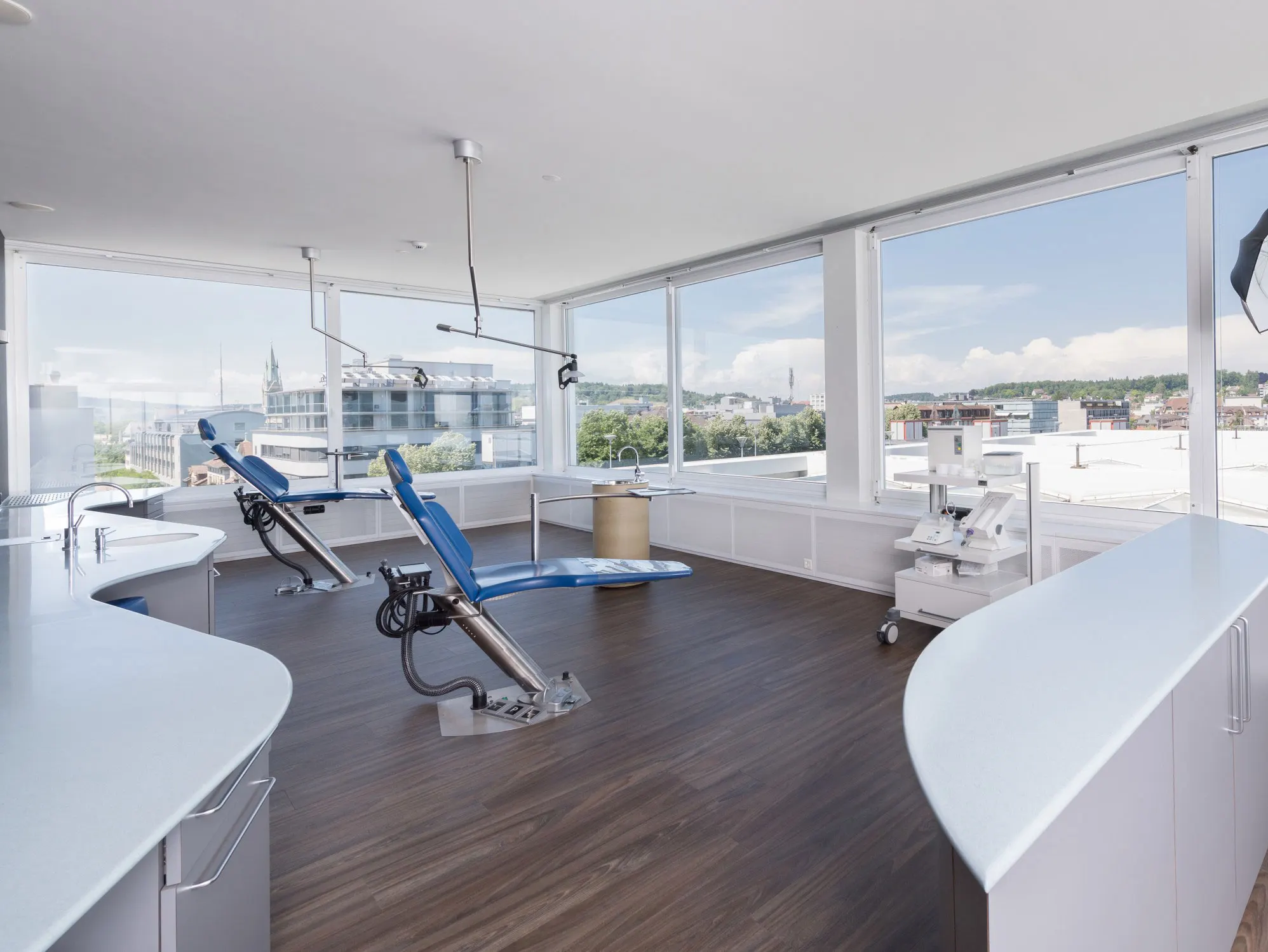
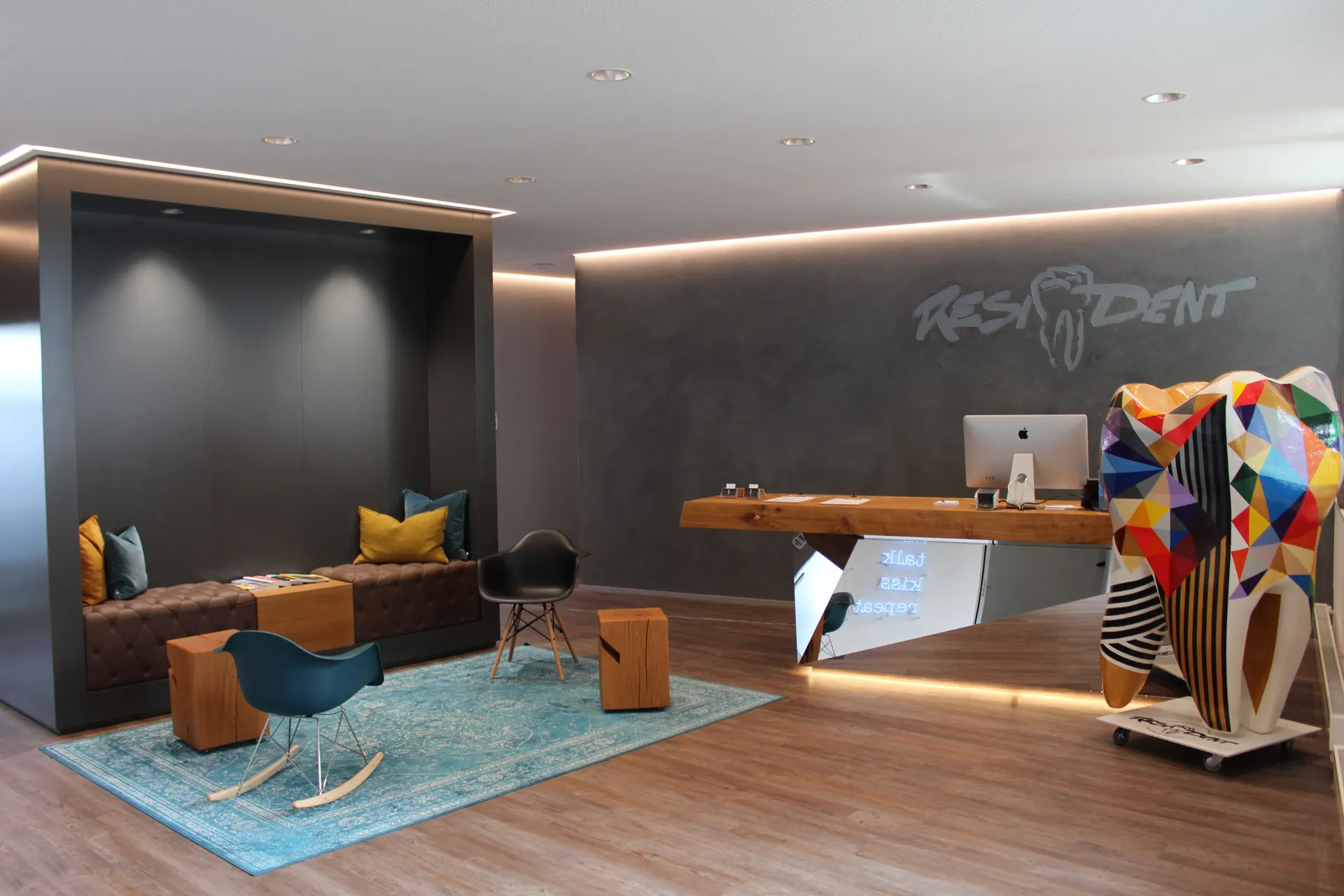
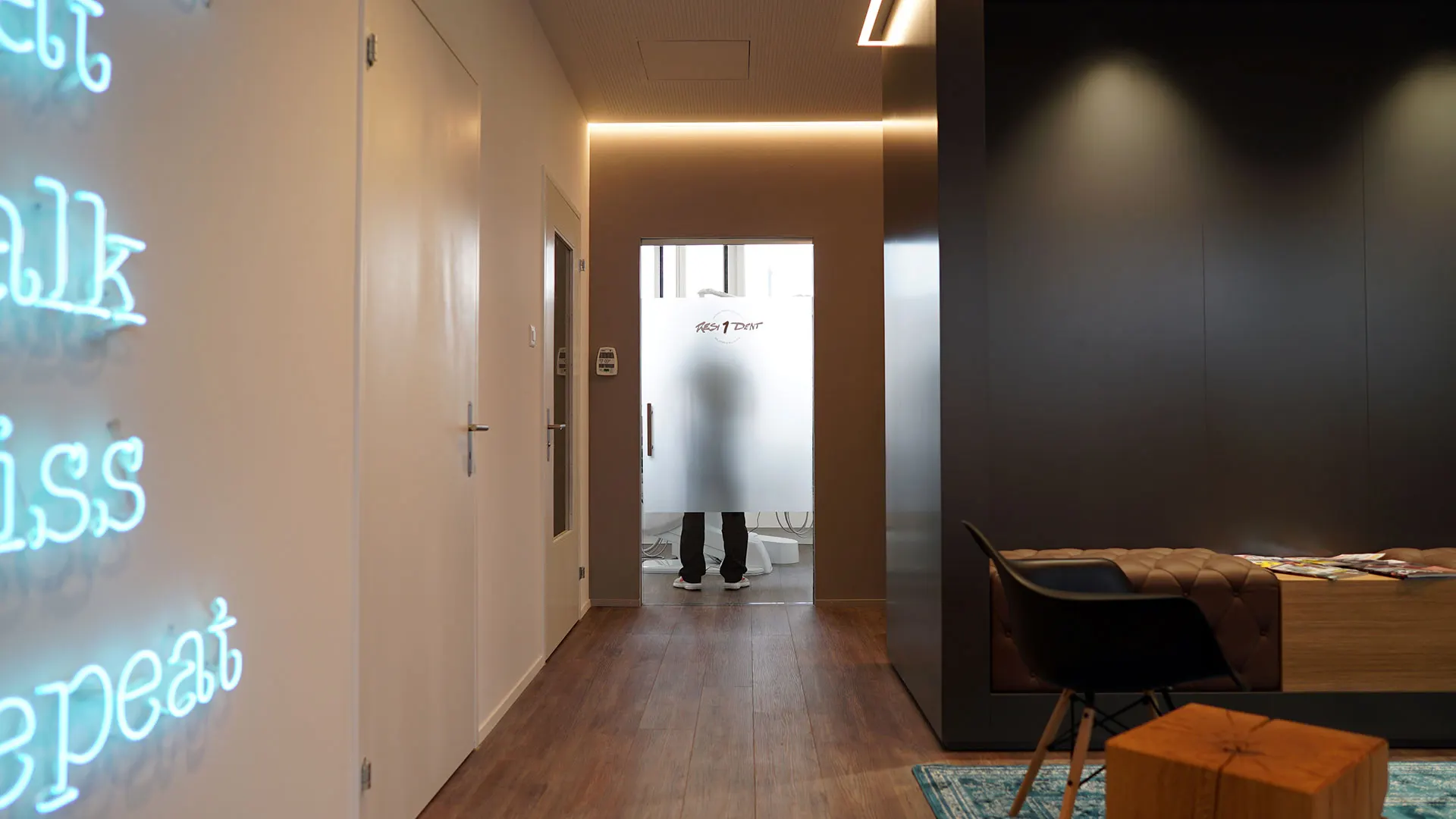
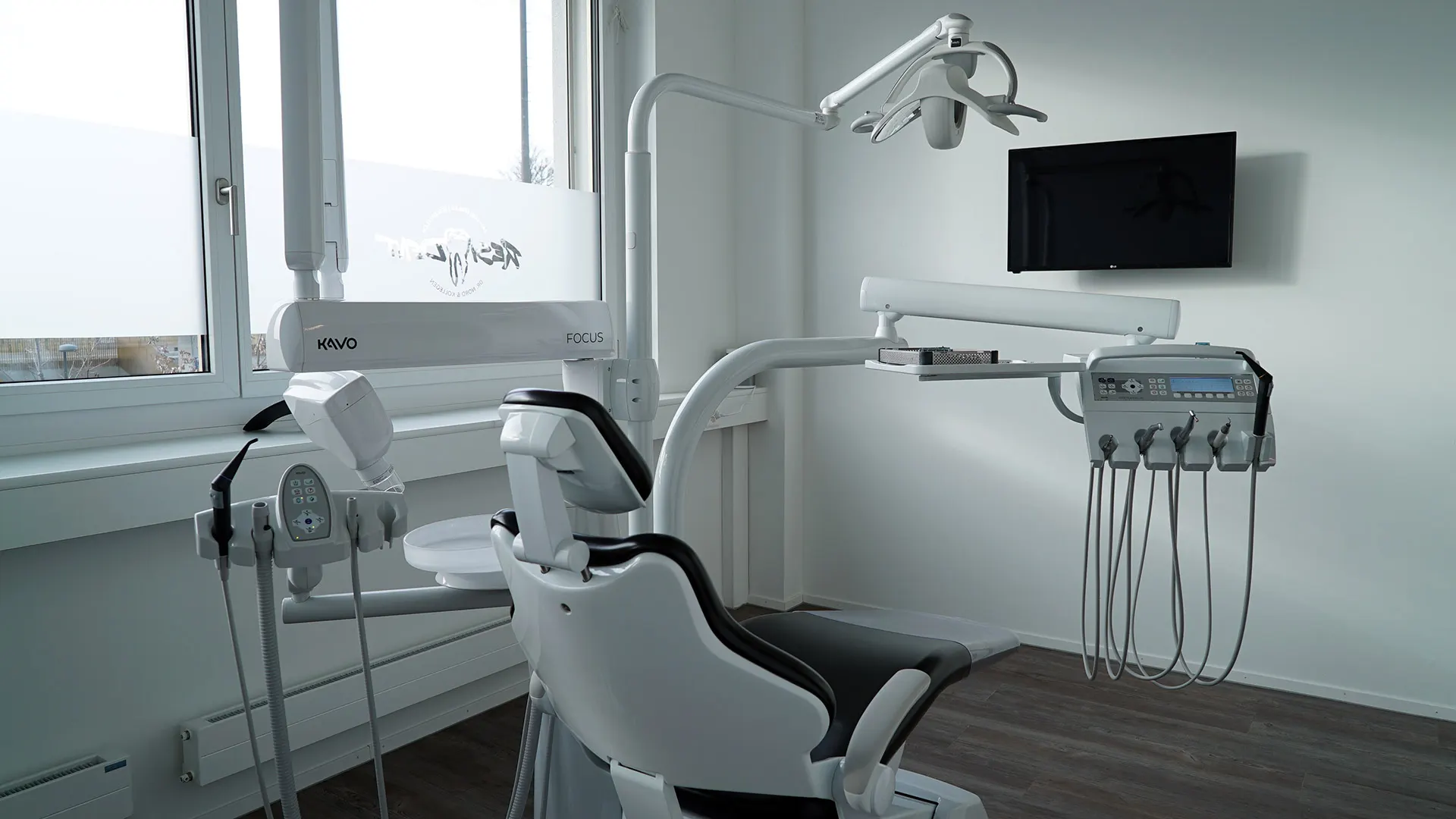
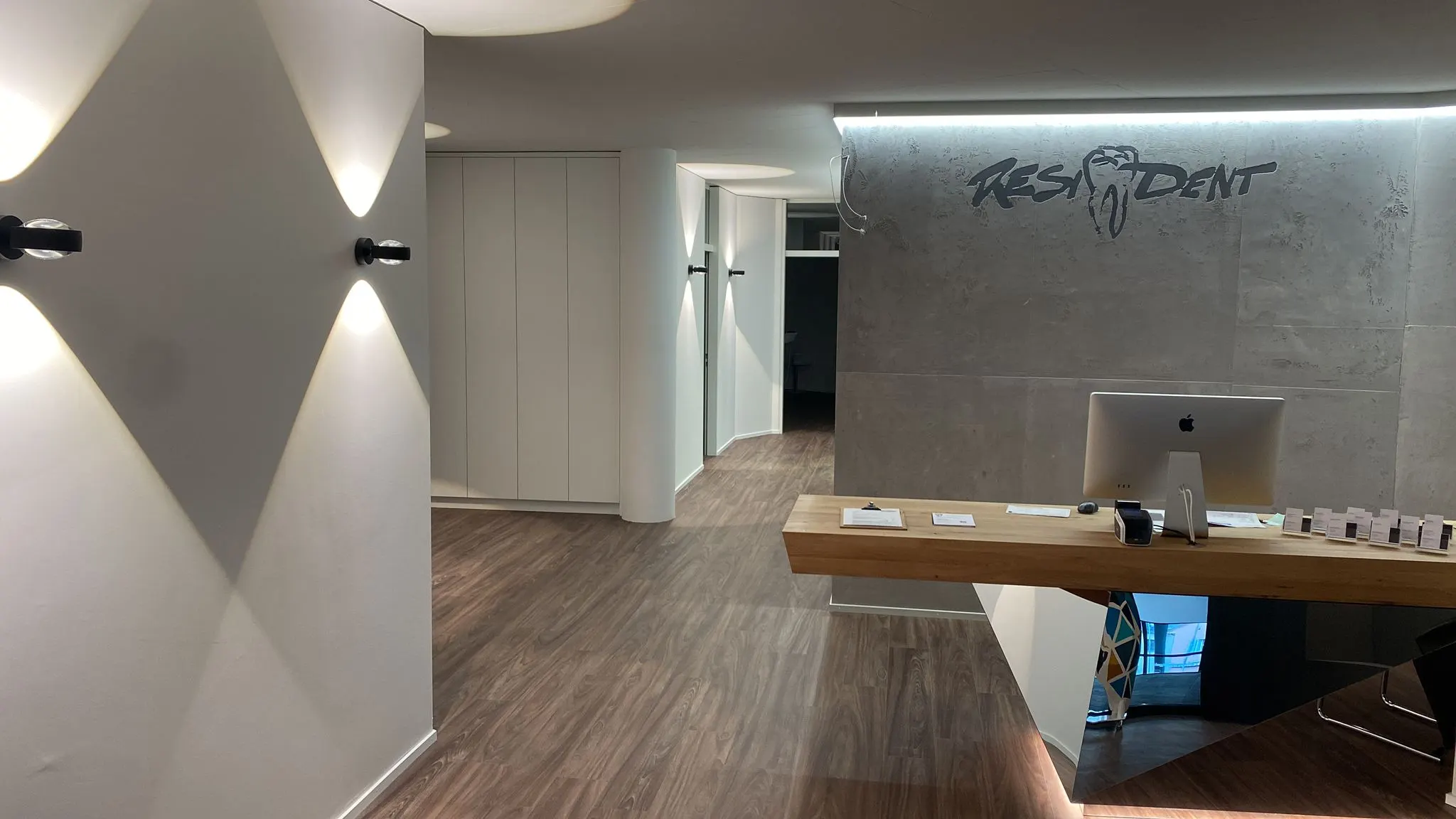
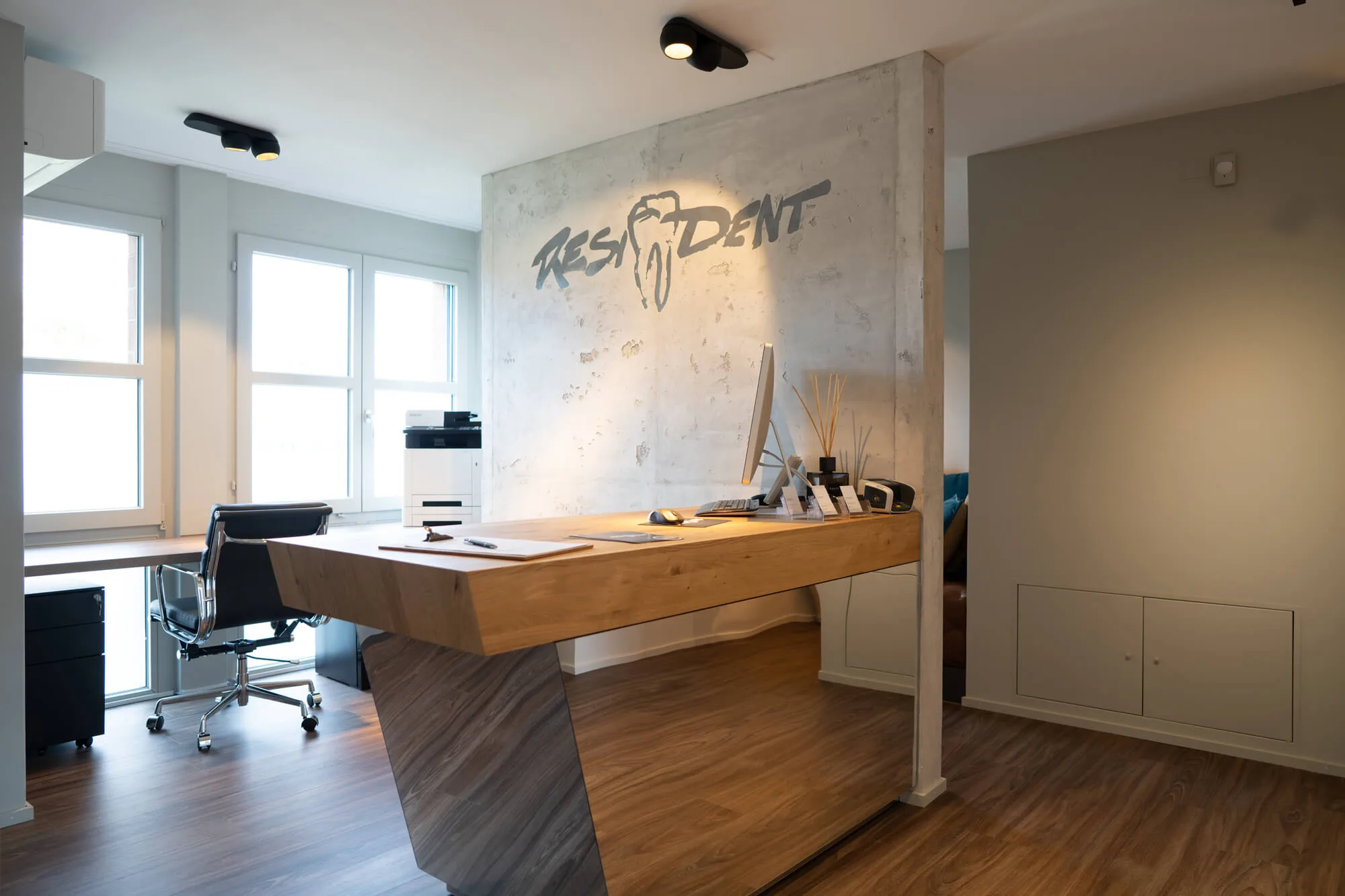
From our practice rooms

From our own lab, precise to the tooth.

From our practice rooms

Related reading

More on this topic.

  1. Digital Dentistry

    Digital impressions and CEREC. Ceramic in a single visit.

    Instead of an impression with paste, we scan the tooth with an intraoral scanner. With CAD/CAM and CEREC, ceramic restorations can be designed and milled directly in the practice. We explain the workflow, the limits and when a dental laboratory remains the better route.

    8min read
  2. Prosthetics

    Full-mouth rehabilitation. How a comprehensive restoration works.

    A full-mouth rehabilitation restores function, health and appearance in several coordinated steps when many teeth are affected. We explain when it is needed, how we approach it and why one coordinating team makes the difference.

    9min read
  3. Prosthetics

    Fixed or removable tooth replacement. What suits whom.

    If one or more teeth are missing, the question of the right solution arises. Fixed and removable tooth replacement each have their own advantages. We show what determines the decision.

    8min read
  4. Restorative Dentistry

    Composite filling or inlay. When the lab solution pays off.

    The composite filling is placed in one session directly in the mouth and is the standard solution for smaller defects. The inlay is fabricated in the lab, lasts longer and closes larger defects more precisely. Inlay made of ceramic or gold is the higher-quality option but more expensive and to be implemented in two sessions. The choice depends on defect size, loading, budget and lifespan demand.

    8min read
  5. Prosthetics

    Full ceramic, zirconia, metal-ceramic. Which crown material when makes sense.

    Full ceramic from lithium disilicate, zirconia and classic metal-ceramic are the three main materials for dental crowns. They differ in aesthetics, strength, biological compatibility and costs. The right choice depends on tooth position, bite loading and your aesthetic expectations.

    8min read
  6. Prosthetics

    Inlay, onlay or crown. Which restoration when makes sense.

    Inlay, onlay and crown are three different restorations for defective posterior teeth. They differ in effort, substance preservation and costs. The right choice depends on defect extent, remaining substance and tooth loading. This article explains the three options and their specific indications.

    9min read

Available at

Available at these locations.

Appointment

Not sure what the right step is?

In a first consultation we clarify findings, options and costs. Calmly, without rushing. Book online or call during opening hours.

Book appointment View locations

Online around the clock. By phone during opening hours.