What makes a good check-up
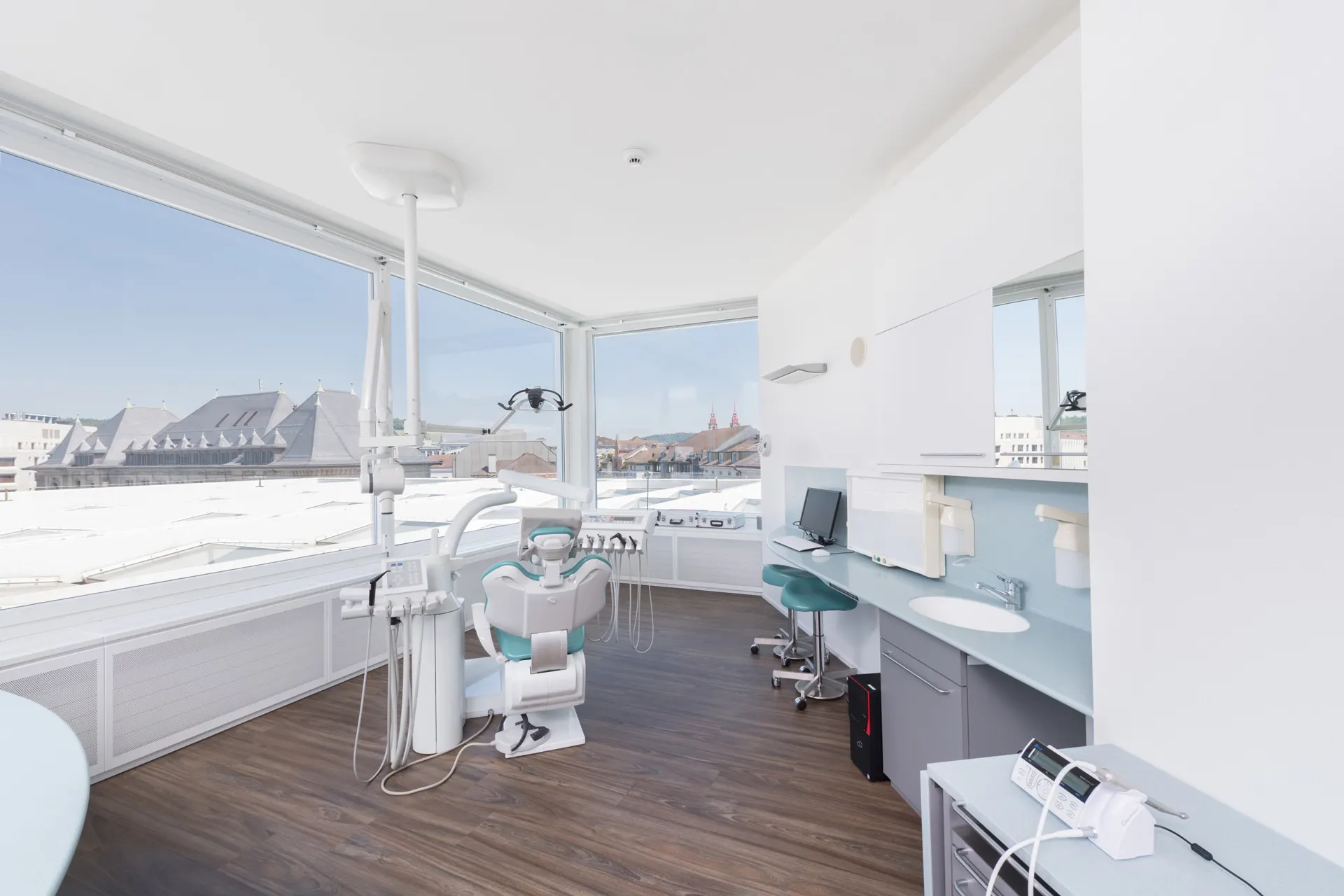
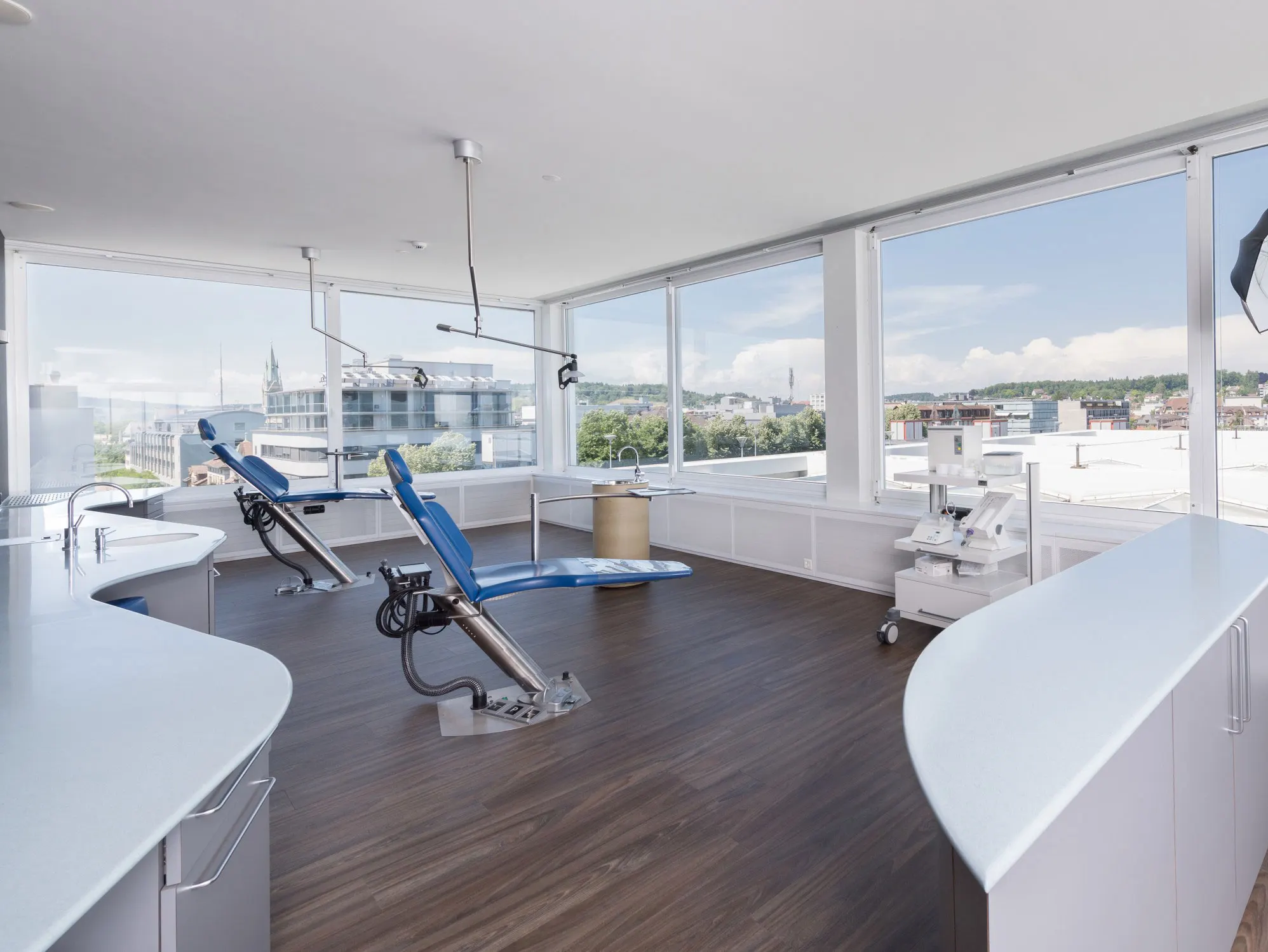
Most patients know the check-up as a brief look with the mirror and the question “Does anything hurt?”. That is triage, not diagnostics. A complete check-up takes thirty minutes and includes systematic inspection of all teeth with loupes, probing of gum pockets, assessment of mucous membranes, palpation of lymph nodes and photo documentation of the front tooth region.
This photo documentation is decisive for comparison over the years. Discolorations develop slowly, cracks in enamel grow unnoticed, displacements of individual teeth are only noticed by the trained eye. Whoever photographs every session recognizes changes before they become symptomatic.
Caries diagnostics beyond the visible hole
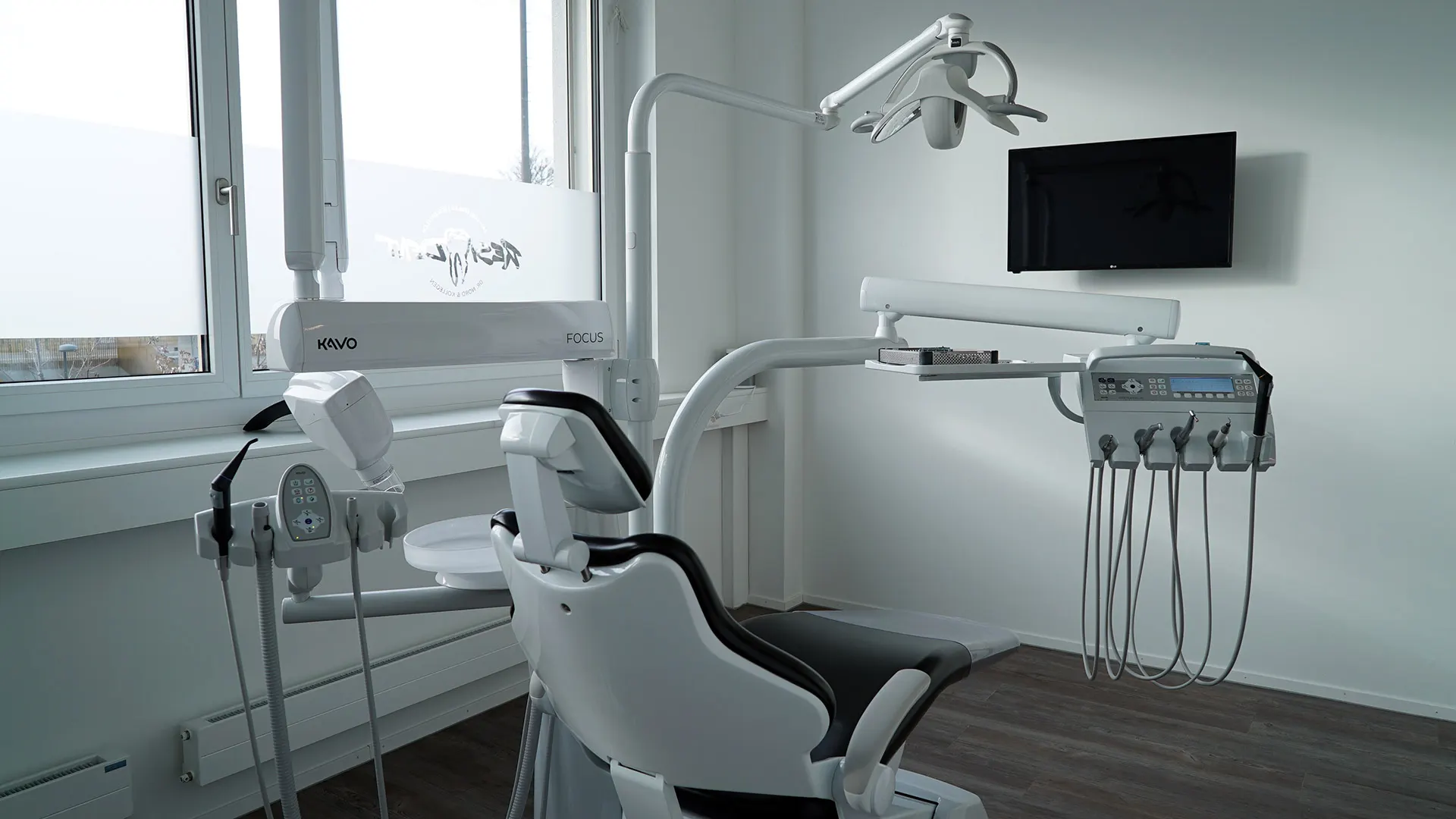
Caries between teeth cannot be reliably diagnosed clinically. It is detected with bitewing X-rays, a low-radiation standard procedure that we perform every two years with stable conditions, annually with elevated risk. For these recordings a digital sensor is sufficient, which delivers the image to the monitor immediately after recording.
For very early enamel lesions we additionally work with transilluminal light source (DIAGNOdent or Diafano procedure) that makes caries visible through the tooth’s own light. Early lesions can often be remineralized without drill, with fluoride varnishes and targeted oral hygiene training. That is prevention in the strictest sense.
Periodontitis screening
At every check-up we measure gum pocket depth at six points per tooth and document bleeding points. This data yields the PSI index (Periodontal Screening Index), a standardized risk classification between 0 and 4. Values from 3 indicate an existing periodontitis that requires systematic therapy.
Periodontitis is according to international studies the most common chronic disease worldwide, often symptomless in early stages. Early detection prevents later tooth loss and reduces the risk for systemic consequences like cardiovascular diseases or poorly controlled diabetes.
What you take from the session
You receive a written finding at the end of the session: what we saw, what has changed since the last check-up, which risk factors are currently present, and which interval we recommend to the next session.