Resident Zahnarztpraxis

Augmentation

The foundation for your implant.

An implant needs enough bone to stay stable. If it is missing, we rebuild it predictably. With 3D planning, often in the same procedure as the implantation.

Implantology At 6 locations

Book appointment Frequently asked

Recognized by

  • EMR
  • ASCA
  • Helsana
  • Visana
  • SWICA
  • EGK

Values

How we work.

  • Planned in 3D

    Before each procedure a 3D scan shows height, width and the course of the nerves to the millimetre.

  • Often Single-Stage

    Where the existing bone offers enough hold, we place implant and graft in the same procedure.

  • Established Methods

    Guided regeneration, bone block and sinus lift are part of the standard repertoire of our oral surgery.

Why enough bone determines success

A dental implant is an artificial root placed in the jawbone. For it to hold permanently, it must be surrounded by enough bone. Only then does the bone grow firmly onto the implant surface and can later carry a crown or bridge securely. Two measurements are decisive: the height of the bone and the width of the ridge. If either is insufficient, a graft is the prerequisite for a stable, long-lasting implant.

Bone is lost above all after a tooth removal, through advanced periodontitis or through a long unrestored gap. The earlier a gap is restored, the more bone is preserved. We explore the connection in our guide on bone grafting and sinus lift.

The augmentation methods

Which method applies depends on how much bone is missing where. For smaller to medium defects we fill the area with grafting material and cover it with a membrane that keeps the faster-growing soft tissue out (guided bone regeneration). If greater width or height is missing, a bone block can be fixed in place as a stable scaffold. And directly after a tooth removal, ridge preservation maintains the existing volume before it is lost.

The sinus lift explained

In the lateral upper jaw the maxillary sinus lies above the tooth roots. After these teeth are lost, the remaining bone is often too shallow for an implant. In a sinus lift we carefully lift the membrane lining the sinus and fill the space with grafting material, creating the height needed. When little height is missing this is done gently through the implant channel; when more is needed, through a small window in the lateral sinus wall. Both procedures are part of the repertoire of our oral surgery.

How we plan

Bone grafting and sinus lift are established, well-plannable procedures. We reduce the risks by taking a three-dimensional scan before every procedure. It shows the height and width of the bone, the position of the sinus and the course of important nerves to the millimetre. On this basis we plan the graft and implant position precisely, before the first incision. Whether a graft is needed in your case is only shown by the examination with a 3D scan.
Protocol

Three steps.

  1. 01 · 3D Diagnostics

    The three-dimensional scan shows whether and how much bone is missing for a stable implant.

  2. 02 · Augmentation

    Guided regeneration with a membrane, bone block or sinus lift, depending on the defect and its location.

  3. 03 · Healing

    The new bone becomes load-bearing, then the implant follows or the single-stage graft consolidates.

Resident Dental Practice

Frequently asked

Frequently asked

Is bone grafting painful?

The procedure takes place under local anaesthesia and is therefore not painful. In the days afterwards there can be mild swelling and a feeling of tension, similar to after a tooth removal. Most discomfort can be controlled well with the usual painkillers.

Can the implant be placed at the same time?

Often yes. If there is still enough stable bone to anchor the implant firmly, we place it in the same procedure and build the missing bone around it. If the bone is insufficient for secure anchorage, we graft first and place the implant after healing.

Where does the bone for the graft come from?

There are several options. Your own bone from the jaw is considered reliable because the body accepts it particularly well. Alongside this, processed substitute materials of animal origin or synthetic materials are used, serving as a scaffold for new, body-own bone. We discuss which solution fits individually.

Is a bone graft always necessary?

No. Many implants can be placed without any graft when enough bone is present. A graft only becomes necessary when the three-dimensional scan shows that the height or width of the bone is insufficient for stable anchorage.
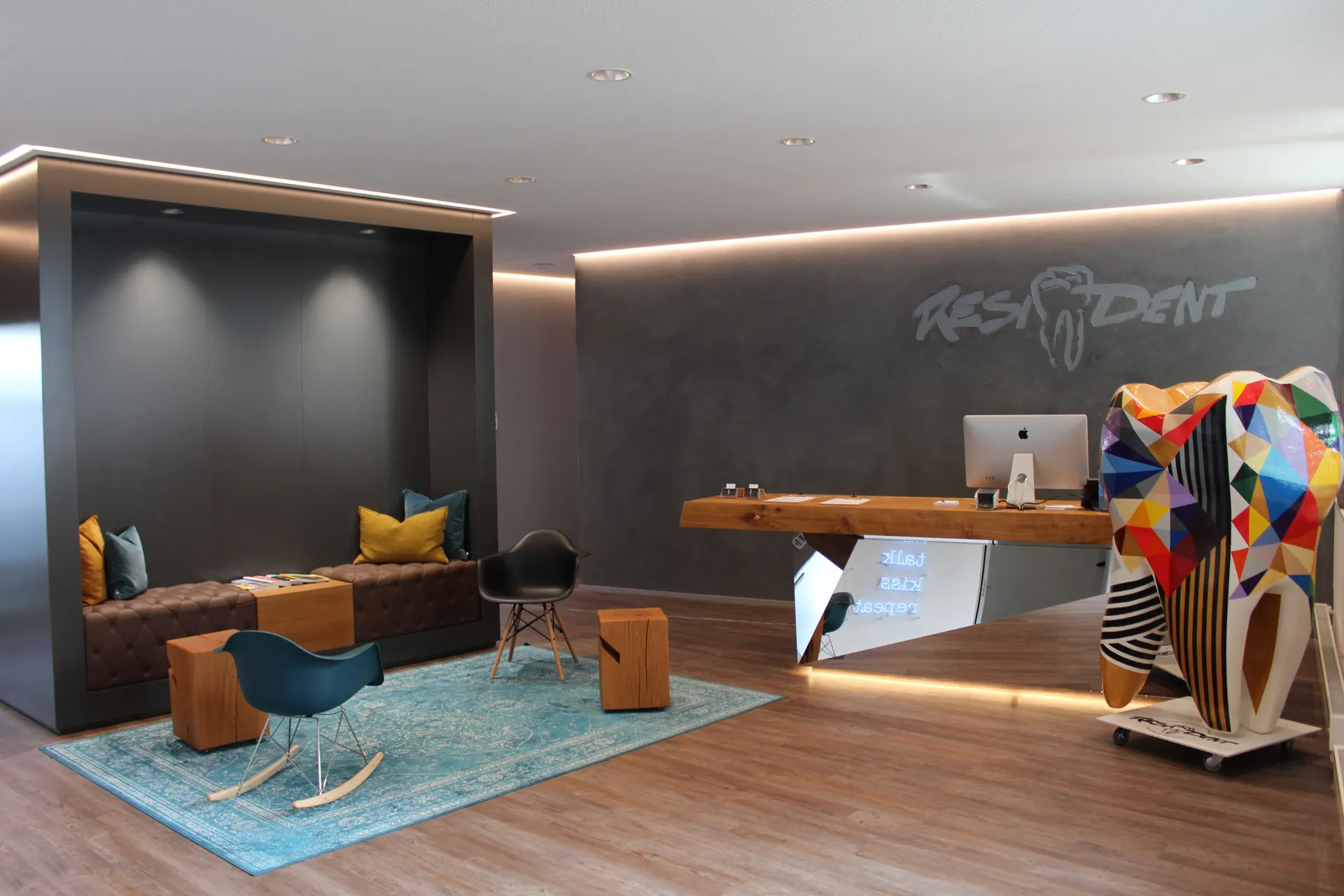
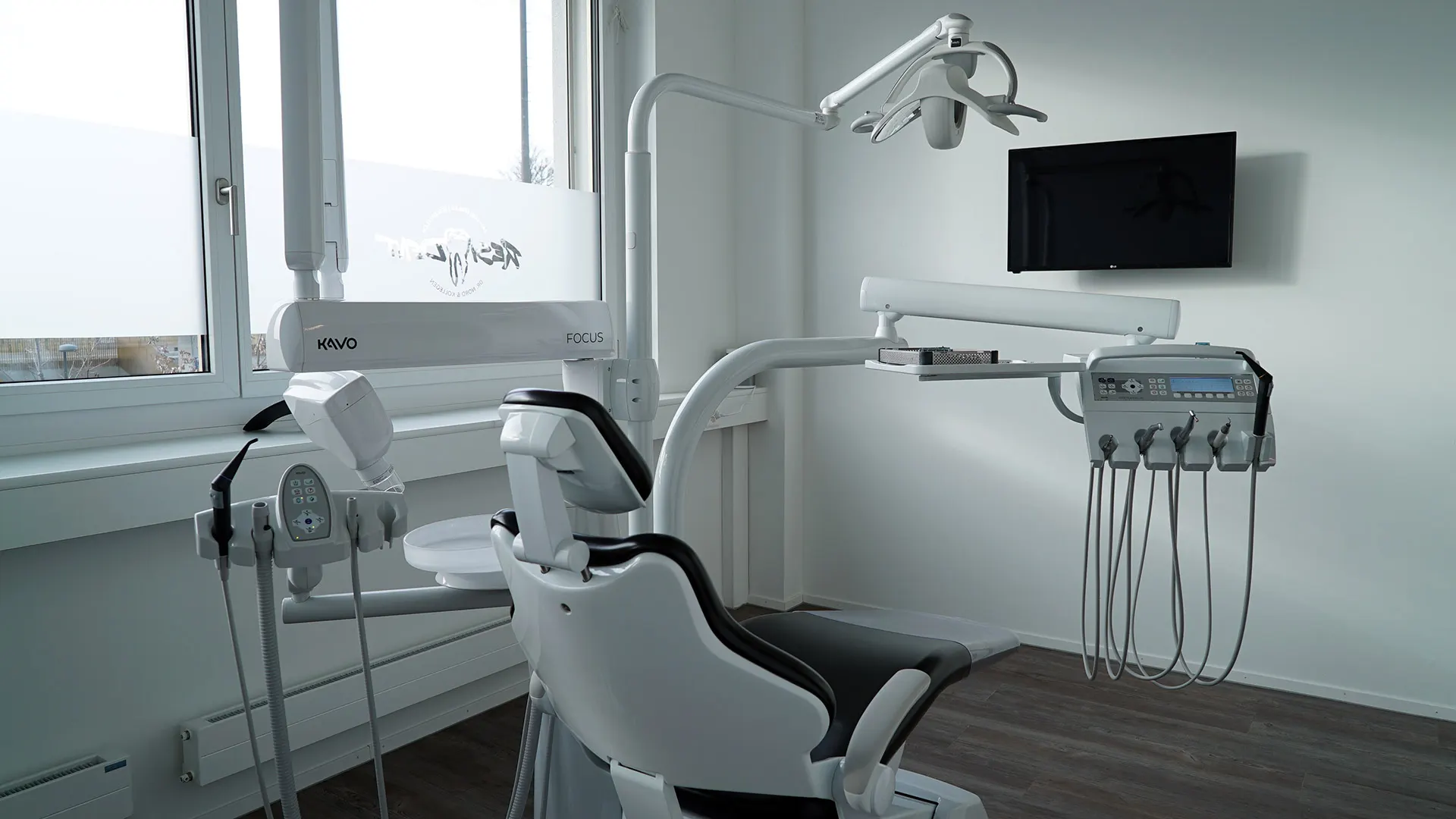
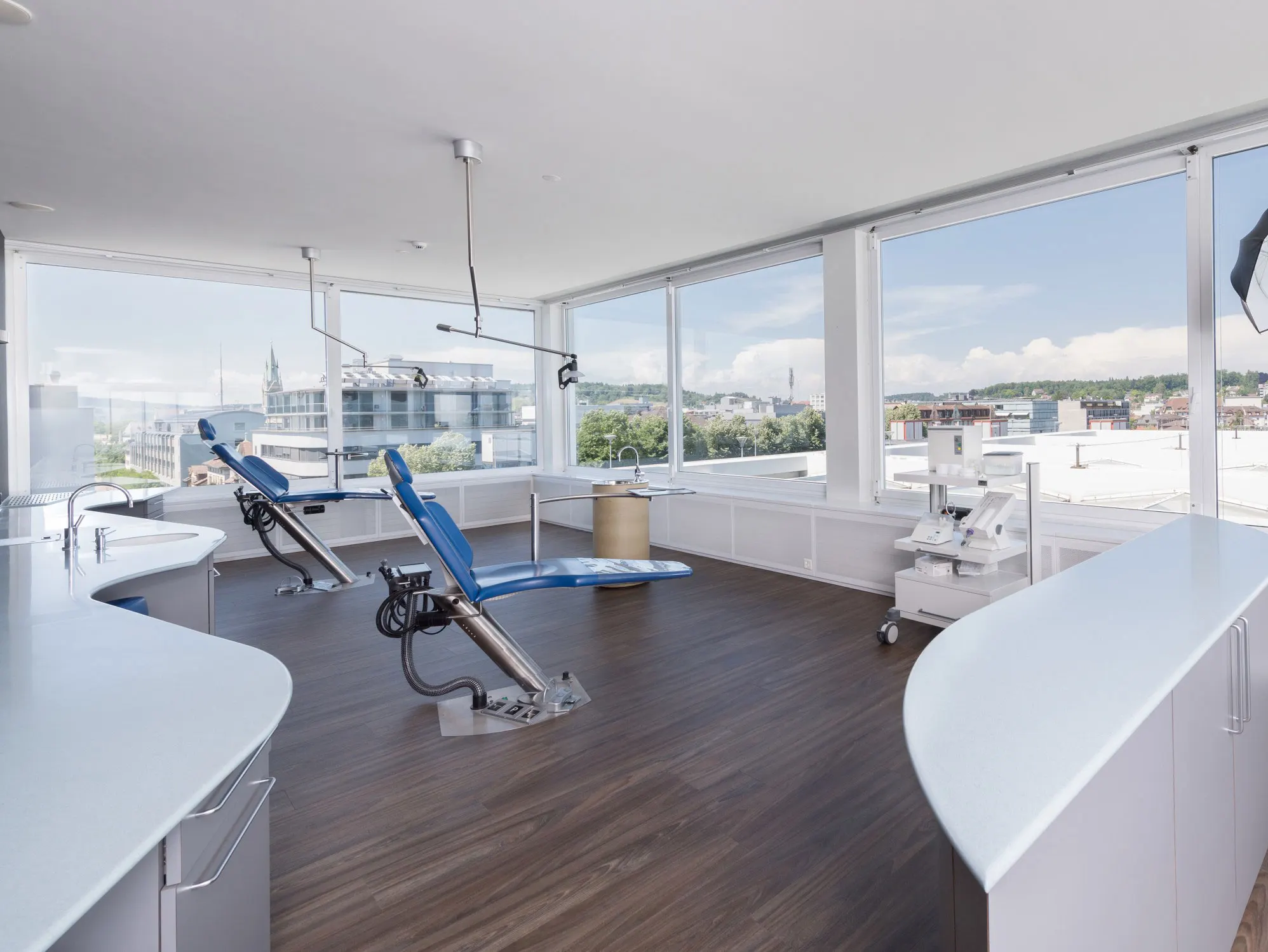
From our practice rooms

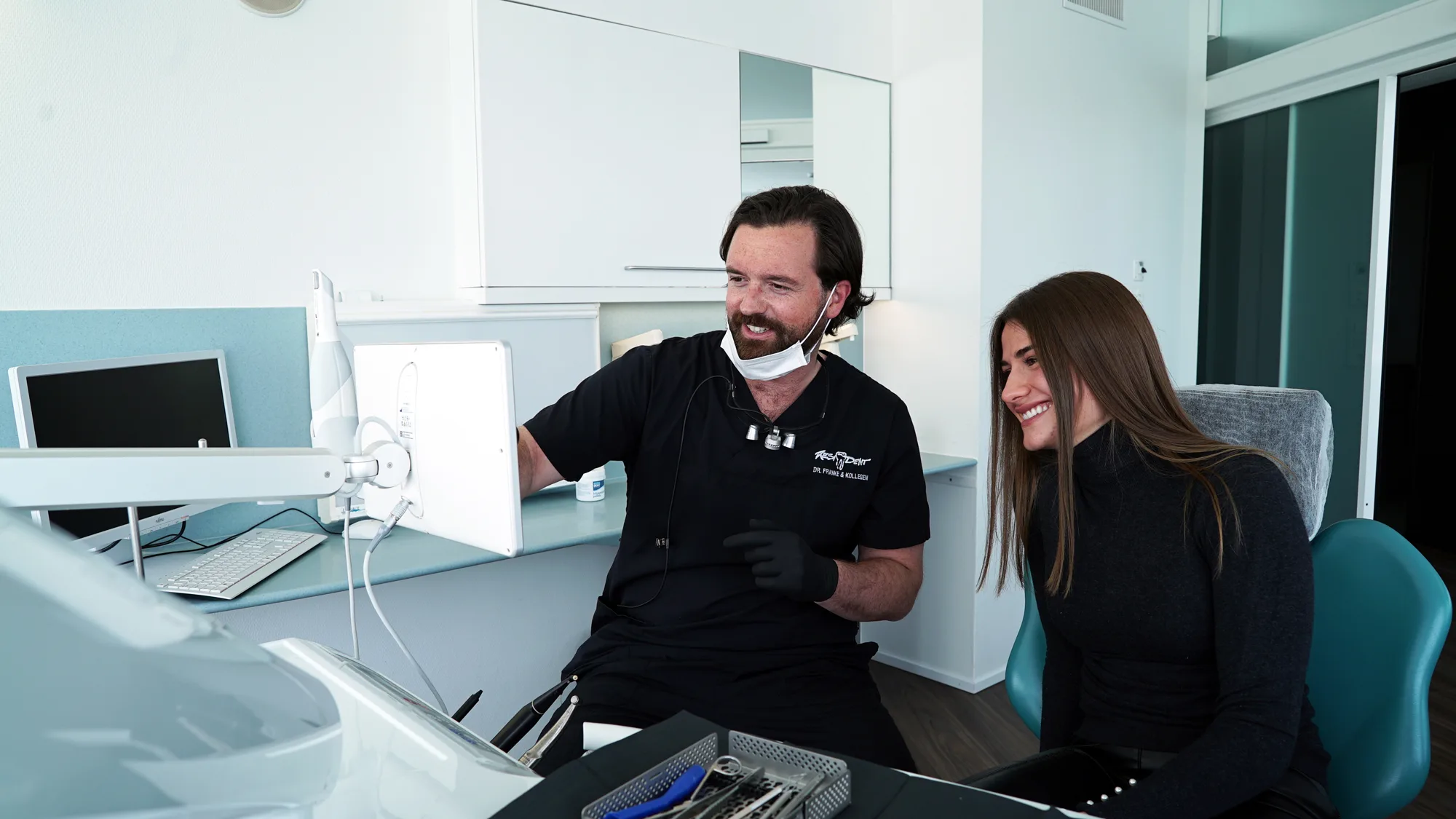
Planned on the 3D scan, placed with a steady hand.

From our practice rooms

Available at

Available at these locations.

Appointment

Not sure what the right step is?

In a first consultation we clarify findings, options and costs. Calmly, without rushing. Book online or call during opening hours.

Book appointment View locations

Online around the clock. By phone during opening hours.